Why Teams Are Re-thinking Clay-Style GTM Tools
Clay has become one of the most talked-about tools in modern go-to-market stacks. For many teams, it represents a step forward: flexible data enrichment, workflow automation, and deep integration. But as GTM motions accelerate and AI becomes more agentic, a growing number of teams are asking a new question:
Do we really want to build GTM workflows—or do we want them to run themselves?
That's why interest in Clay alternatives is rising. In this article, we'll compare the most common options—Clay, Apollo, ZoomInfo, Lusha, Landbase, and LinkedIn Recruiter—and explain why Lev8 is increasingly chosen by teams that want speed, context, and execution, not just data plumbing.
The Landscape: What Most Clay Alternatives Actually Optimize For
Before comparing tools, it helps to understand what they're really designed to optimize:
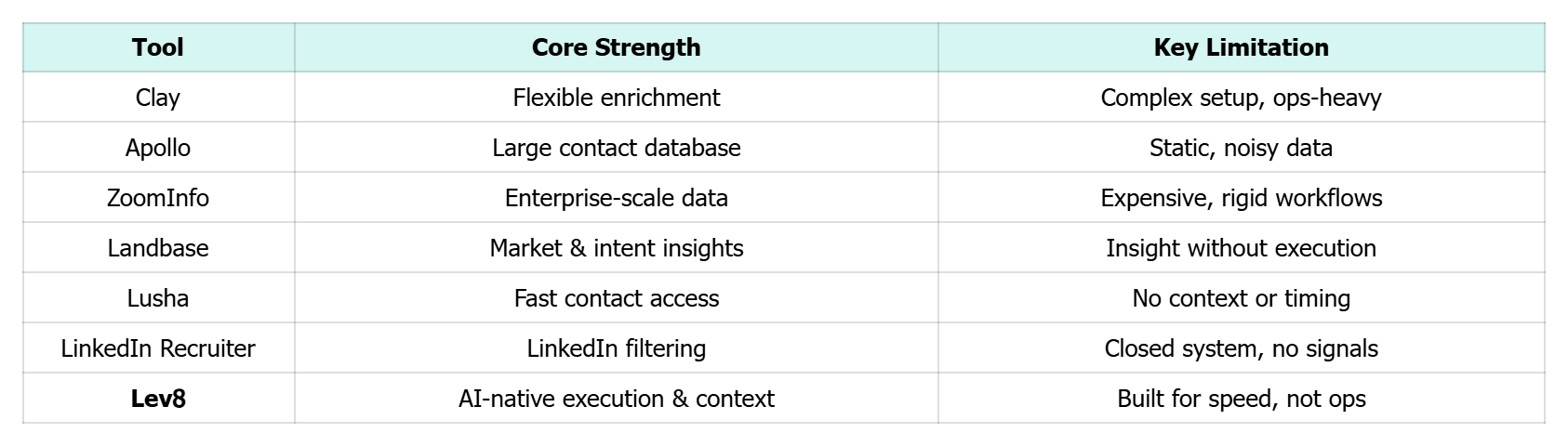
- Clay → flexibility & enrichment power
- Apollo / ZoomInfo / Lusha → scale of contact data
- LinkedIn Recruiter → structured filtering within a closed professional network
- Landbase → intent & market intelligence
- Lev8 → AI-driven GTM execution
The difference isn't just features—it's philosophy.
Tool-by-Tool Comparison
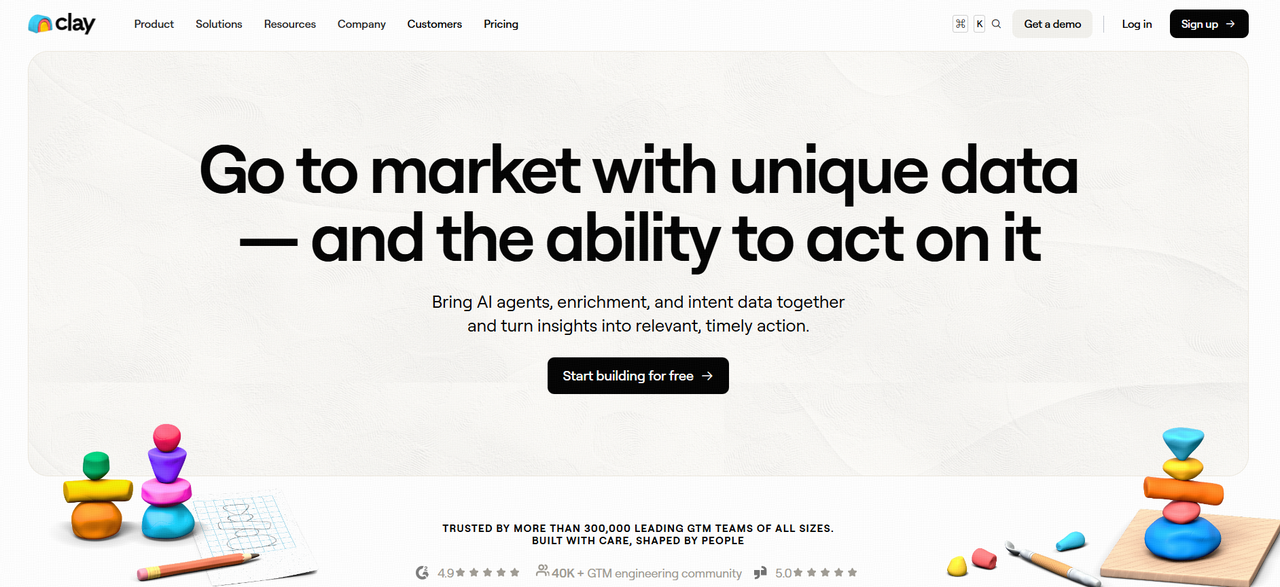
1. Clay: Powerful, but Built for GTM Engineers
Best for: Ops-heavy teams that enjoy building custom workflows
Clay excels at data orchestration. You can enrich leads from dozens of sources, chain logic, and create highly customized pipelines.
Where teams struggle:
- Steep learning curve
- Requires constant configuration
- Often becomes a bottleneck owned by one "Clay expert"
- Great at data, less opinionated about action
Clay is powerful—but many teams discover they're spending more time maintaining GTM workflows than running GTM itself.
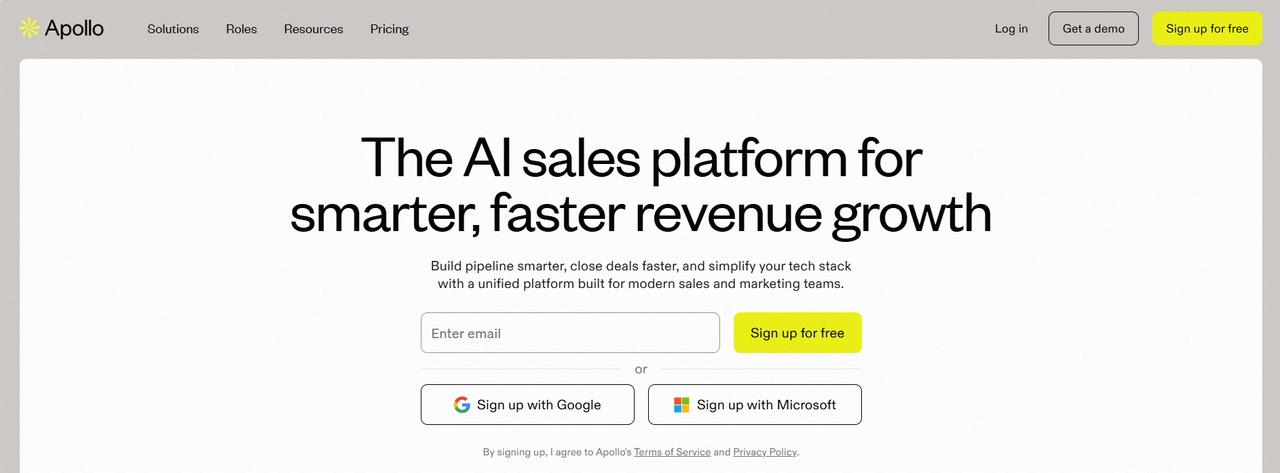
2. Apollo: Massive Database, Manual Motion
Best for: Teams that prioritize volume and outbound sequencing
Apollo offers:
- A large B2B contact database
- Chrome extension for LinkedIn
- Built-in sequencing
Limitations:
- Mostly static data
- High noise (job changes, outdated roles)
- Manual list building and filtering
- Limited context around why to reach out now
Apollo answers who to contact—but not when or why.
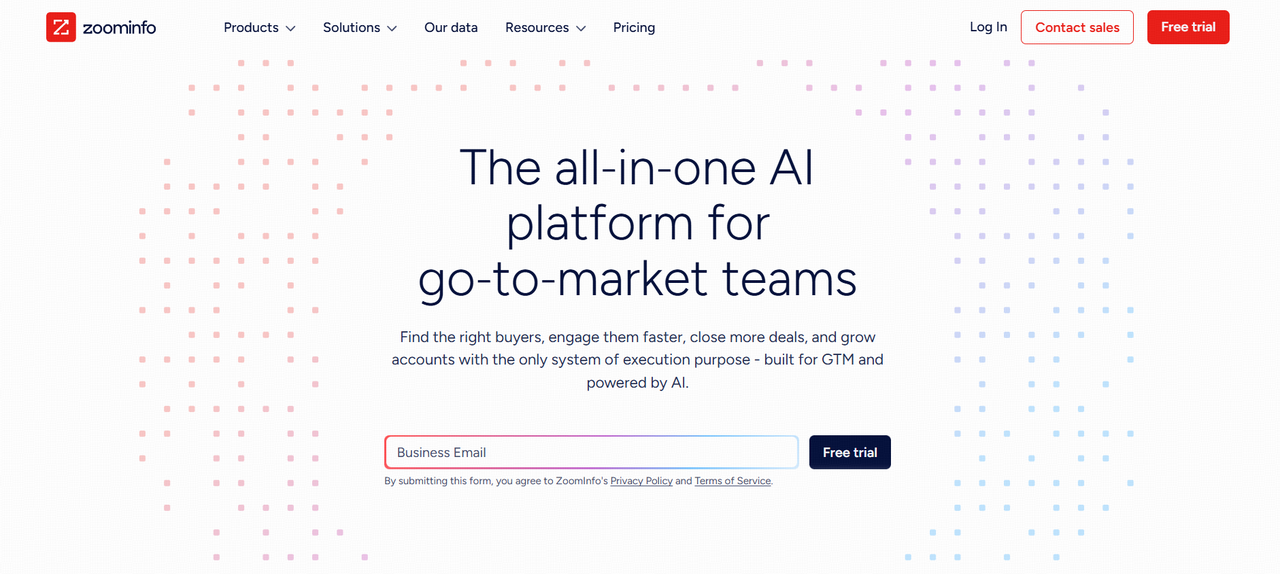
3. ZoomInfo: Enterprise Data, Enterprise Friction
Best for: Large sales orgs with structured processes
ZoomInfo remains a heavyweight in sales intelligence, with deep datasets and enterprise integrations.
Trade-offs:
- Expensive and contract-heavy
- Data-first, action-second
- AI features are layered on top of legacy workflows
- Less suitable for lean or founder-led GTM teams
For many modern teams, ZoomInfo feels more like a data warehouse than a GTM engine.
4. Landbase: Insight Without Execution
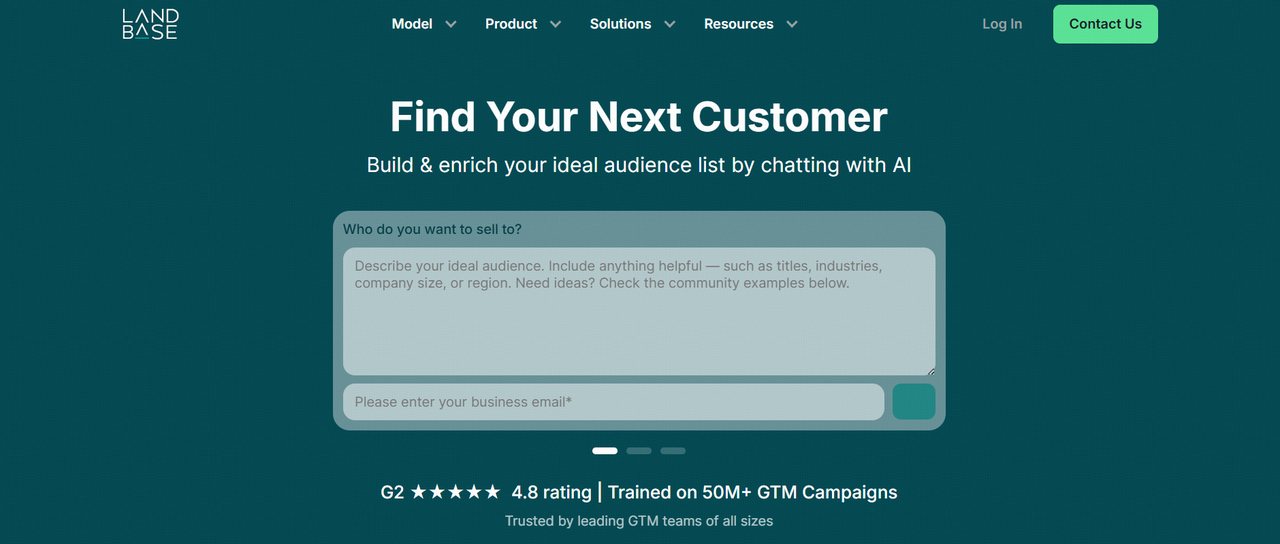
Best for: Market research and intent analysis
Landbase shines at:
- Surfacing market signals
- Understanding buyer intent
- Enriching company-level intelligence
But it stops short of execution.
You still need other tools to:
- Decide who to contact
- Write outreach
- Run follow-ups
- Track outcomes
Landbase informs GTM—but doesn't move it.
5. Lusha: Contacts Without Context
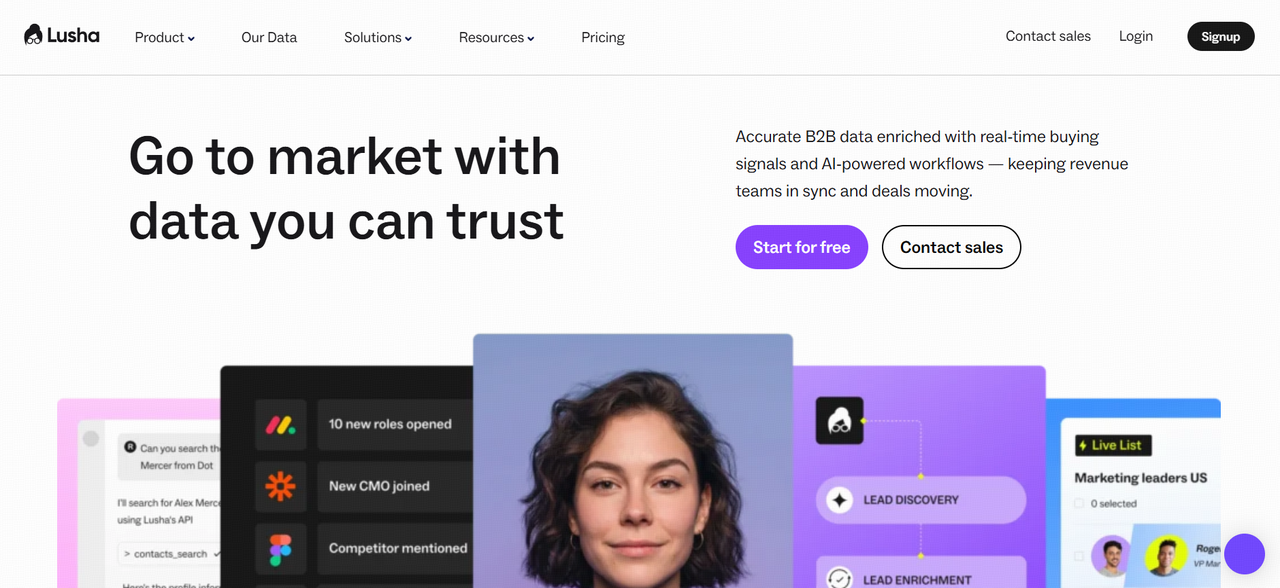
Best for: Fast access to emails and phone numbers
Lusha is efficient at what it does:
- Simple contact enrichment
- Smooth LinkedIn extension
However:
- Little understanding of decision-makers
- No reasoning about urgency or timing
- Minimal workflow automation
It answers how do I reach them? Not why should I reach them now?
6. LinkedIn Recruiter: The Walled Garden Problem
Best for: Traditional recruiting teams sourcing on LinkedIn only
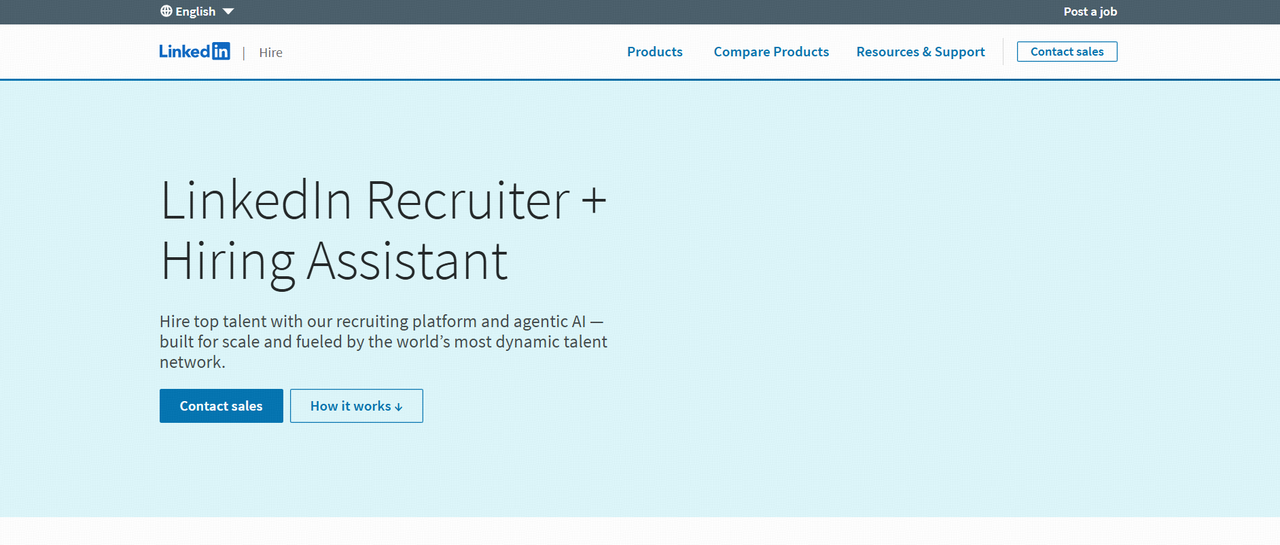
LinkedIn Recruiter has long been the default tool for talent sourcing and professional search. For recruiters who live entirely inside LinkedIn, it offers structured filters, Boolean search, and access to the platform's internal graph. But that strength is also its biggest limitation.
Where LinkedIn Recruiter Falls Short
- No natural language search You can't simply describe who you're looking for. Users must fill out complex filters and Boolean logic—titles, locations, seniority, years of experience—before seeing any results.
- LinkedIn-only data You're limited to users who are active and fully filled out on LinkedIn. No visibility into X, communities, blogs, events, product launches, or off-platform signals.
- Static profiles, weak timing signals Recruiter tells you who someone is, not what they're doing right now. No real insight into job-change intent, company momentum, or "why now".
- High cost, narrow use case Expensive seats, built primarily for recruiting—not for sales, partnerships, or founder-led GTM.
In short, LinkedIn Recruiter is a closed search system optimized for filtering—not understanding.
Why Lev8 Is Different: GTM That Starts With Intent, Not Tables
Lev8 was built on a different assumption:
The hardest part of GTM is not finding data—it's deciding who matters right now and acting fast.
Instead of asking users to configure complex workflows, Lev8 lets you describe your target in natural language and handles the rest.
What Lev8 Does End-to-End
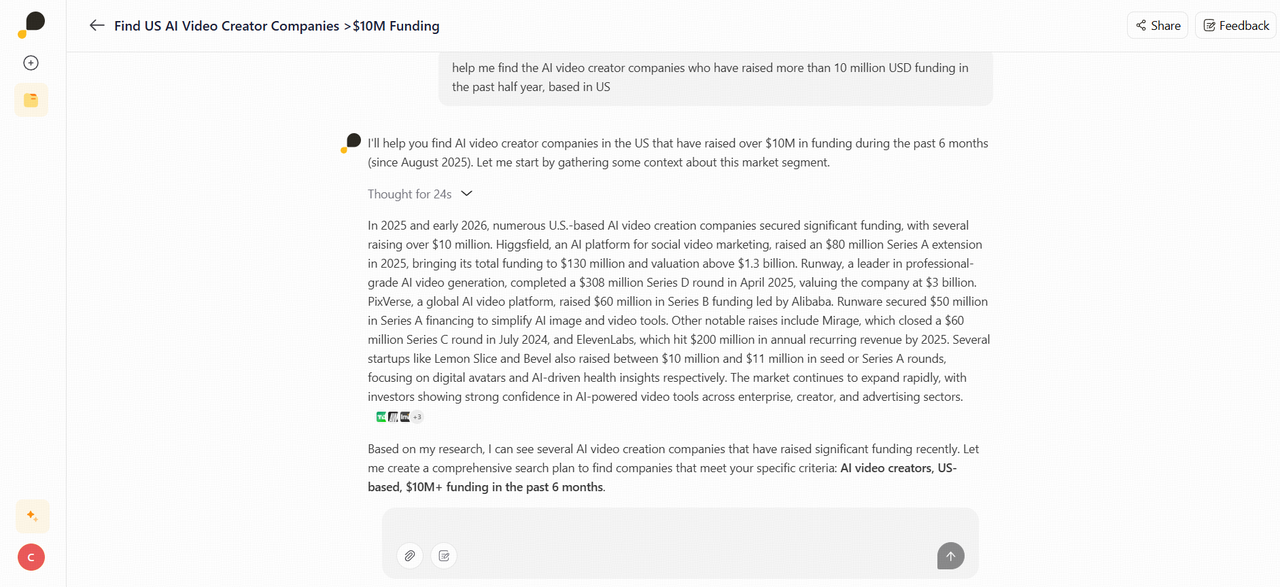
- Chat-based search Describe your ICP, paste a product URL, or ask a vague question—Lev8 structures the search for you.
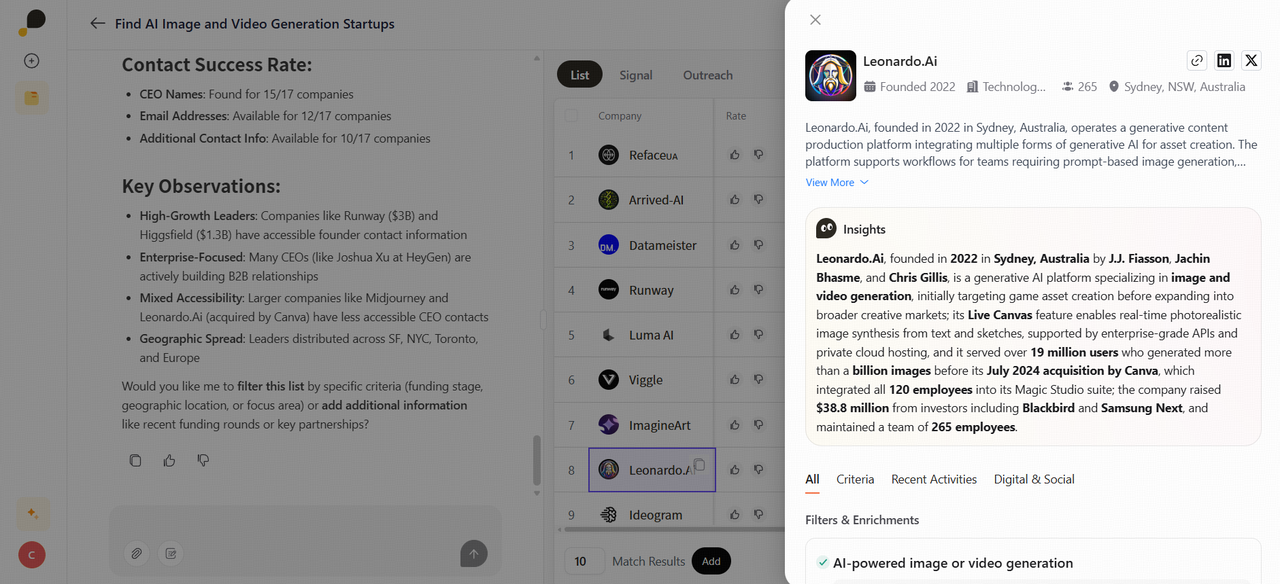
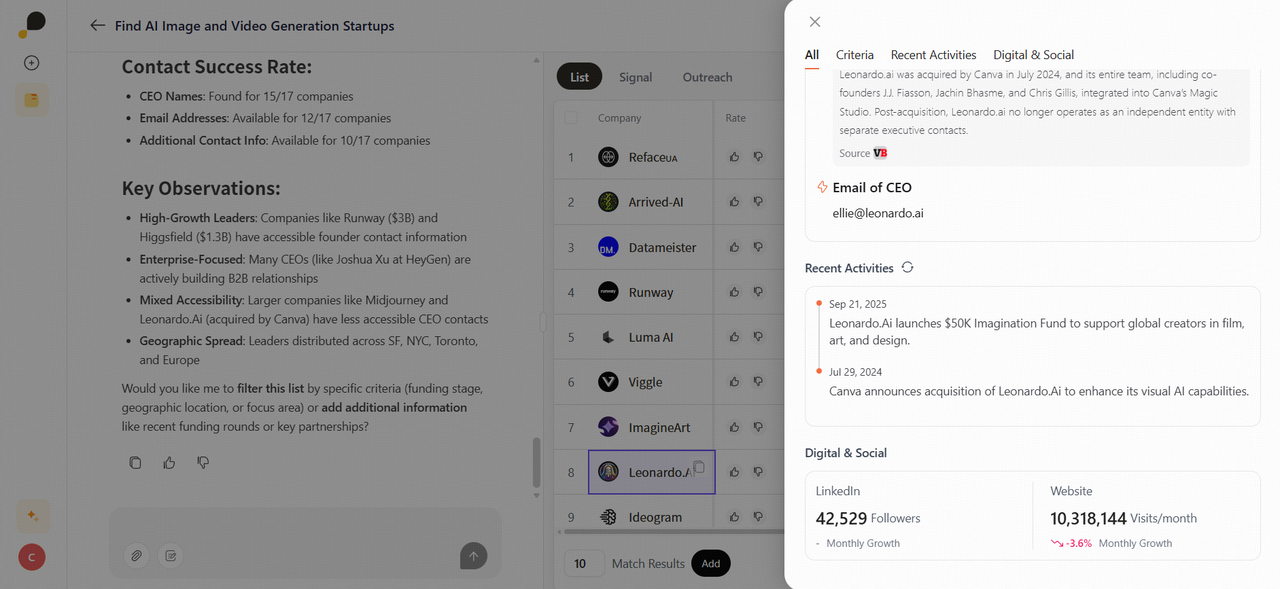
- Automatic company & contact summarization Profiles include recent news, hiring signals, funding, events, and social activity—instantly.
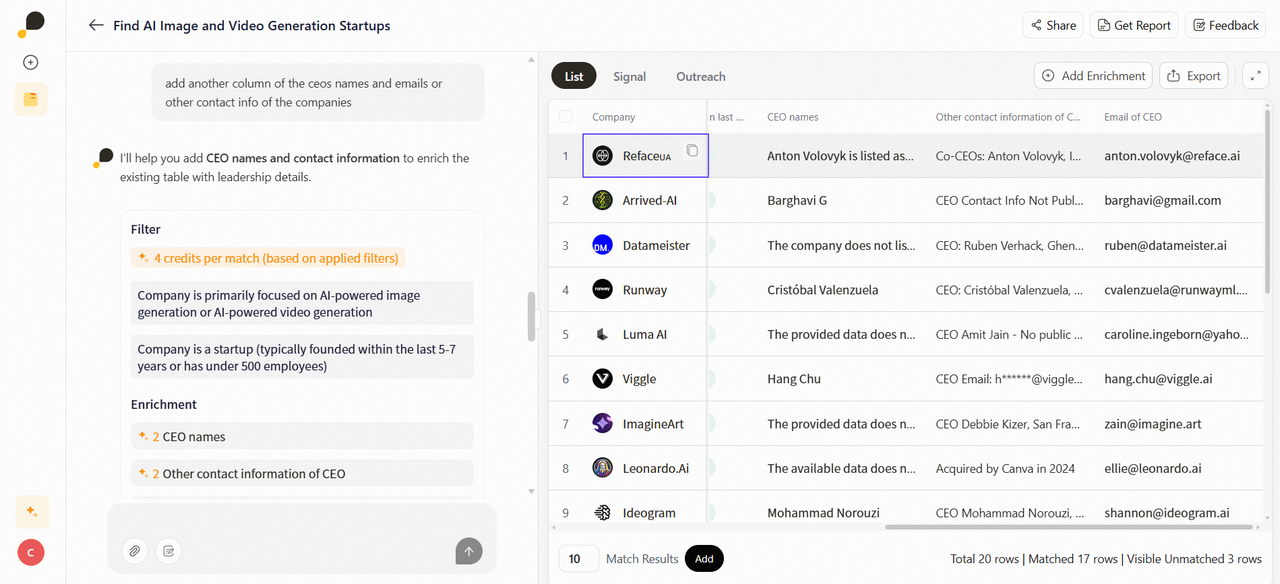
- Contact information crawling Ask for specific roles (CEO, HR, Finance), and Lev8 adds them directly—no re-exports.
- Continuous signal tracking Lev8 monitors target companies for changes and alerts you when intent spikes.
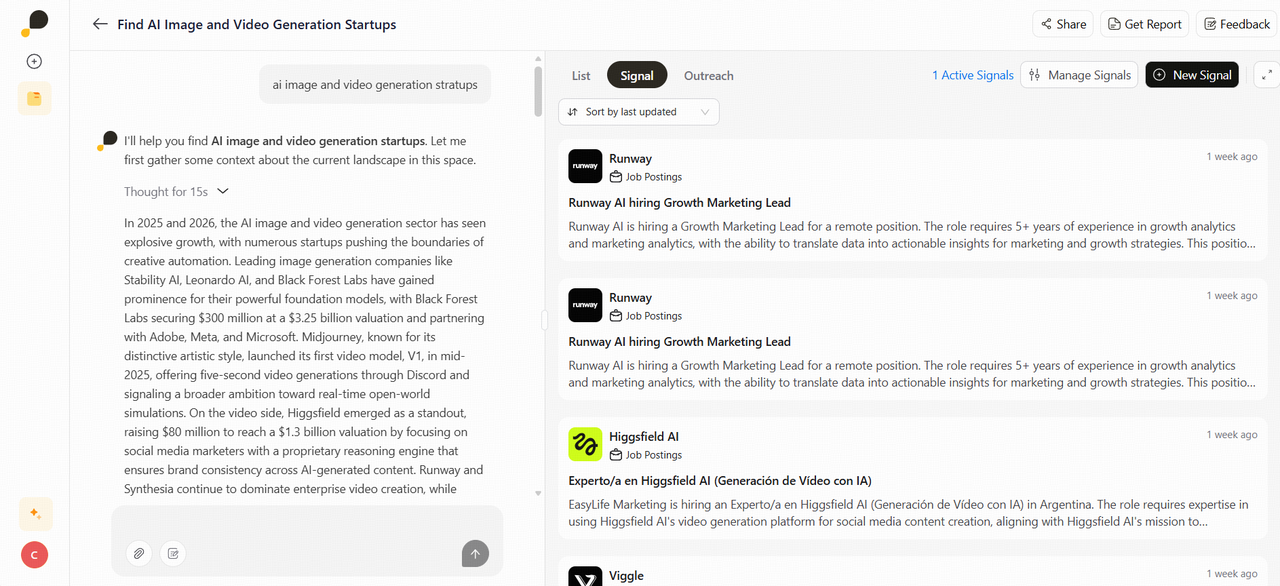
- Context-aware email generation Outreach is written based on why now, not templates.
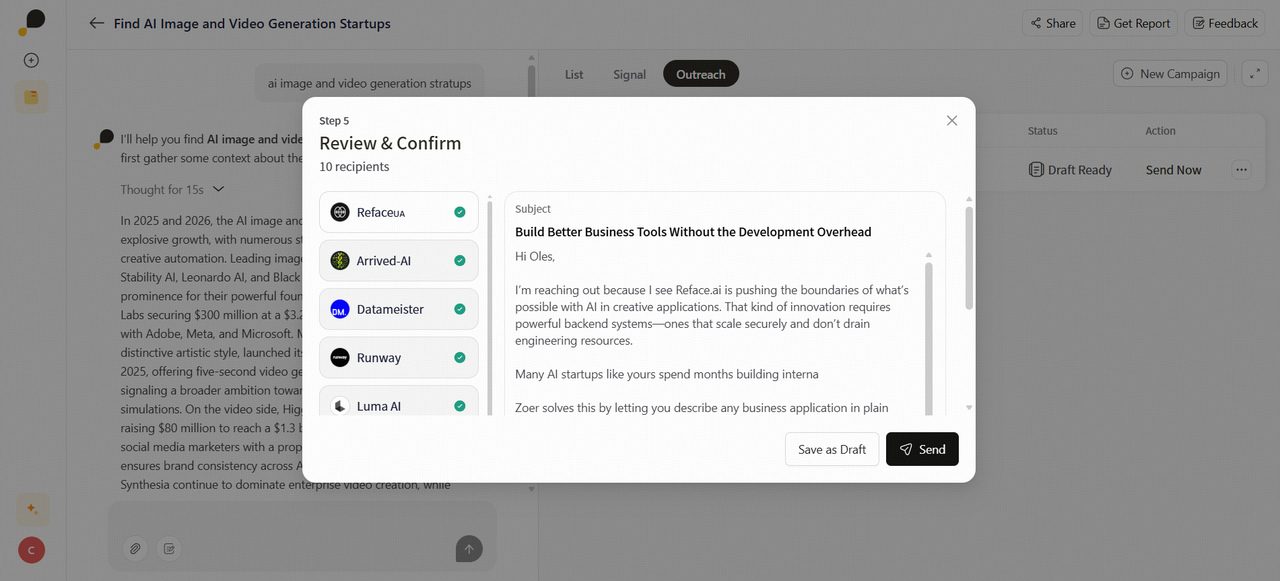
This isn't enrichment. It's decision automation.
Quick Comparison Snapshot
Who Lev8 Is Built For
Lev8 works especially well for:
- Startup and scale-up GTM teams
- Founder-led sales
- Lean outbound teams
- Recruiting & partnerships
- Anyone tired of stitching 5 tools together
If Clay feels like building infrastructure, Lev8 feels like hiring an AI teammate.
From GTM Plumbing to GTM Momentum
Clay and its peers solved an important problem: access to data. But in 2026, data is table stakes. The real advantage comes from:
- Context
- Timing
- Automation
- Action
Lev8 isn't just another Clay alternative—it represents a shift from configuring GTM to running GTM.
👉 If you're evaluating Clay alternatives, start by asking one question: Do you want more control—or more momentum?
Try Lev8 and experience GTM that moves at the speed of intent.